
On its eighth anniversary, the Sustainable Shrimp Partnership (SSP) is promoting an agenda to connect the nutritional value of shrimp with its production model and to engage leaders across the food system in this dialogue.
Sustainable Shrimp Partnership (SSP), a sustainability initiative that brings together Ecuador’s leading shrimp producers, celebrates its eighth anniversary by advancing an agenda that connects the nutritional value of shrimp with the sustainability standards under which it is produced, and by promoting greater understanding of the role this protein plays in healthy and responsible food systems.
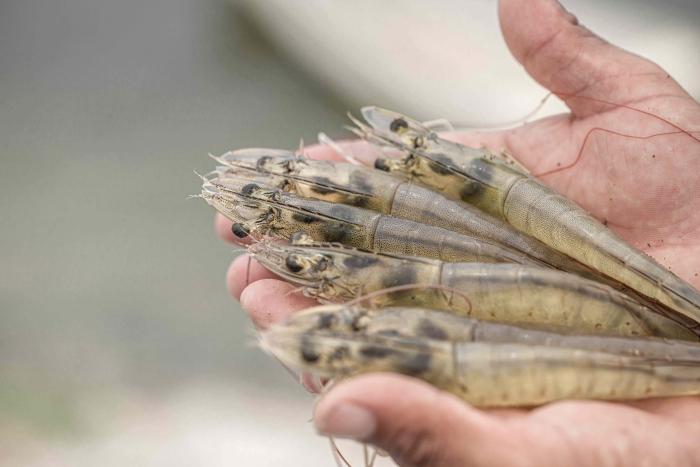 The activity aligns with National Nutrition Month in the United States and the update of the 2025–2030 Dietary Guidelines for Americans, the document that guides the country’s nutrition recommendations and influences federal food programs, school menus, and institutional purchasing decisions. This edition significantly increased the recommended intake of protein and placed greater emphasis on high-quality, nutrient-dense sources, including seafood, with at least three servings per week now recommended. In this context, shrimp holds a particularly relevant place as the most consumed seafood in the country.
“Talking about healthy proteins also means talking about how they are produced. For the past eight years, together with our members, we have demonstrated that it is possible to offer premium-quality shrimp produced under the most rigorous environmental, social, and food safety standards,”
explains Pamela Nath, Director of SSP.
“Our goal now is to share this information with those who influence dietary recommendations and show how shrimp can contribute to health, nutrition, and sustainability goals.”
As part of this agenda, SSP will participate next week in Seafood Expo North America in Boston, where it will hold meetings with leaders across the food system from academia, nutrition, culinary education, and sustainability. These include representatives from Tufts University, The Culinary Institute of America, and The Kitchen Collaborative, as well as a shrimp masterclass for the Google culinary team.
 SSP will be joined by Chavanne Hanson, a leader in Food Choice Architecture and Nutrition, who has led global nutrition and food communication strategies at organizations such as Google and Nestlé.
“Food choices aren’t just about nutrition; they are driven by how information is shared and the trust we place in the source,”
says Hanson.
“While health professionals and academic leaders guide these conversations, industry leaders must provide the substance. With its lean nutritional profile and rigorous production standards, SSP shrimp is a vital part of that evidence-based dialogue.”
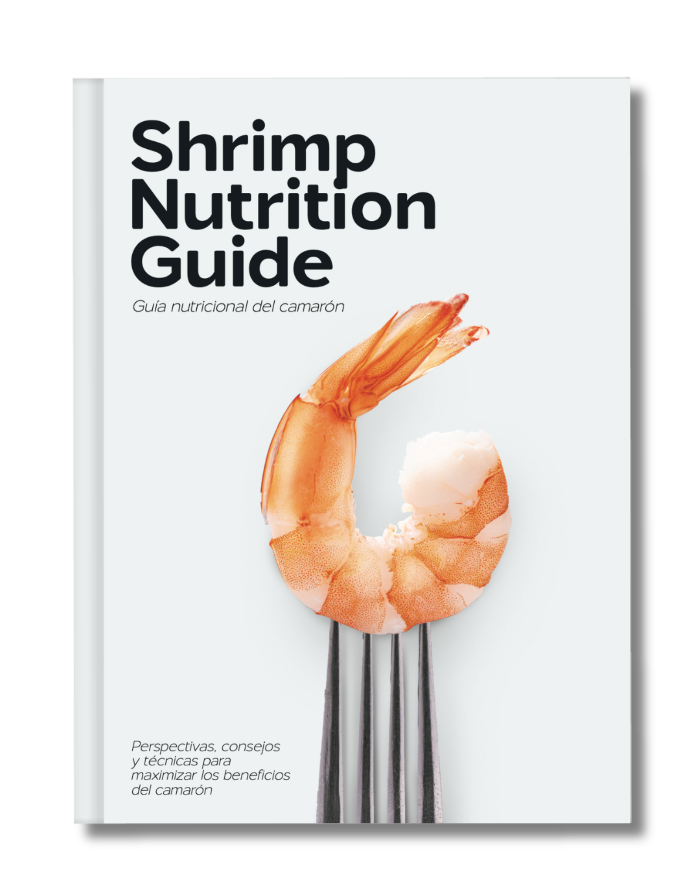
This agenda builds on previous initiatives led by SSP to bring shrimp closer to the fields of nutrition and science. Together with the National Chamber of Aquaculture (CNA) and in collaboration with the Seafood Nutrition Partnership (SNP), the organization developed the Shrimp Nutrition Guide, a resource designed for dietitians and health professionals to help facilitate understanding of the product’s nutritional benefits and promote its inclusion in the diet.
As part of its anniversary, SSP is making this guide freely available to the public, with the aim of expanding access to evidence-based information and contributing to a better understanding of the nutritional value of shrimp.
With this initiative, SSP continues to expand the scope of its work beyond production. Eight years after its creation, it has become one of the leading precompetitive collaboration platforms in the seafood sector. Through a verifiable production model, SSP has demonstrated that it is possible to produce the highest-quality shrimp under the most rigorous environmental and social standards, with zero antibiotic use, neutral water impact, and full traceability.
During this time, the organization has broadened its reach by promoting continuous improvement across the value chain. Actions such as the Sustainability Leadership Roundtable, the Scale Up program for small and medium-sized industry actors, and education and awareness platforms such as SustainED, Race to the Top, and the Shrimp Summit have helped drive more responsible practices and bring information closer to retailers, chefs, nutritionists, and other key stakeholders in the shrimp value chain.


