
The 15th edition of the Aquaculture Roundtable Series® (TARS) 2026 successfully concluded on August 20, 2026 in Bali, Indonesia. The two-day meeting brought together 284 participants representing the aquafeed and aquaculture supply chain in Asia as well as speakers, panelists, moderators, and industry leaders from 29 countries.
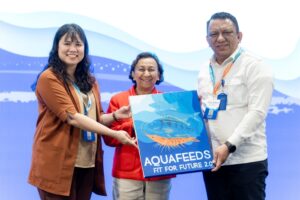
TARS 2026 was a resounding success – the largest aquafeed-focused edition to date. Over two dynamic days, aquafeed producers, farmers, technology providers, and industry leaders exchanged insights, built valuable connections, and developed practical responses to the challenges shaping the future of Asia’s aquafeed industry and aquaculture.
Building on TARS 2019, Aquafeeds: Fit for Future, the 2026 TARS program addressed how the aquafeed industry must adapt to Asia’s changing aquaculture landscape. With a potential super El Niño ahead, it positioned the sector to better navigate feed-ingredient volatility and emerging production challenges.
Fernando J Simanjuntak, Director of Brackish Water Fish at Indonesia’s Directorate General of Aquaculture, Ministry of Marine Affairs and Fisheries, opened TARS 2026. In his address, he emphasised:
“Increasing production alone is not enough; we must produce more efficiently, profitably, resiliently and sustainably. Aquafeed is strategic because it represents a major share of production costs. The goal is not simply cheaper feed, but greater value for farmers through improved performance and lower environmental impact. Indonesia supports this transformation through an agenda focused on productivity, efficiency, technology, innovation, market orientation and sustainability.”
The program featured 10 sessions with 52 international and regional speakers, panelists and industry players who shared trends and insights.
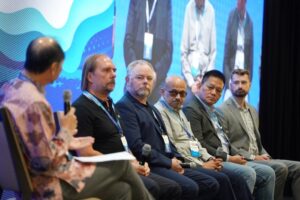
The flagship session, State of Industry & Commodities reviewed how volatile commodity prices, supply disruptions, and low farmgate prices affect feed producers and farmers. Speakers examined grain, fishmeal, and fish oil markets, strategies for industry resilience, and Indonesia’s aquafeed sector. Key takeaways were:
• Feed prices reflect more than just demand: conflicts raise oil, shipping, and feed costs, while soybean oil demand may boost soybean meal supplies.
• Although the inclusion of marine ingredients may be reduced in aquafeed, their nutritional and functional benefits make full replacement unlikely, hence placing them in the strategic category.
• Indonesia’s aquafeed industry now competes on formulation, feed conversion ratio (FCR), protein efficiency, disease control, and farm outcomes – not just price and volume.
• Asian aquaculture needs integrated feed formulations that balance nutrition, genetics, health, environment, digestibility, and palatability for greater flexibility and resilience – not just lower cost or marine-ingredient use.
The session on Cost Efficiency with Digestible Nutrient-Based Formulations provided deep insights into precision nutrition with digestible nutrients, microdiets for the early stages of fish and shrimp. Amid rising costs, strategies such as reducing or replacing costly ingredients without compromising performance are critical. A key message was that cost efficiency in aquafeeds is not about lowest-cost formulation alone. It is about digestibility, performance, and farmer value across the production cycle.
Risk management continues to be a central theme across the annual TARS series. With aquafeeds in focus, the 2026 discussions highlighted strong industry interest in functional additives and functional feeds as tools to support animal health and growth while mitigating disease risks. In Vietnam and India, EHP and vibriosis remain dominant threats, reinforcing the need to build resilience through balanced nutrition and well designed functional additives.
Functional feeds can also reduce physical stress during vaccination in fish and should be incorporated into an integrated formulation strategy rather than applied as standalone supplements. Functional ingredients strengthen mucosal immunity in fish affected by Ich. A highly bioavailable vitamin D source serves as more than a dietary vitamin D supplement for fish. The panel emphasised three guiding principles for functional feed development: safety, efficacy, and cost effectiveness.
“Since 2018, TARS has provided a platform for aquaculture’s next generation. With aquafeeds in focus this year, the panelists shared their wish list with feedmillers. Each year, these young farmers inspire audiences with their vision for the industry’s future,”
said Zuridah Merican, Chair of TARS 2026.
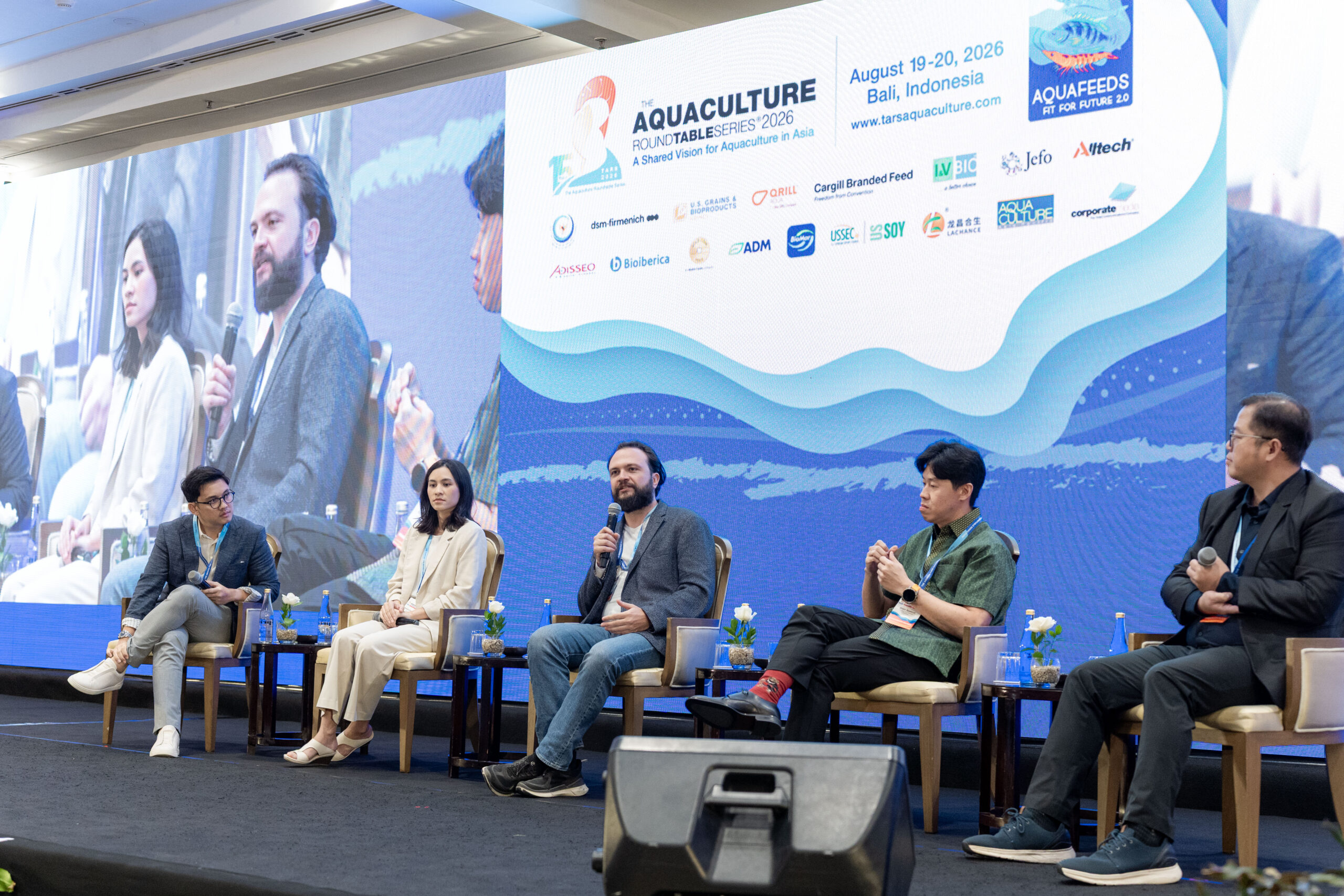
The Next-Gen Farmers X Feedmillers session brought together two shrimp farmers from Indonesia and Vietnam, and a tilapia hatchery manager from Thailand, who shared their wish list for optimum feeds with two feedmillers from Vietnam and Indonesia. The divide between farmers and feedmillers stems less from conflicting interests than from weak data, limited transparency, misaligned incentives and unclear cost-sharing, resulting in lack of trust. Stronger collaboration should prioritise total farm profitability, measurable performance, responsible additive use, improved genetics and post-larvae quality, and value-chain premiums that benefit farmers.
Discussions on Smart Feed Management showed that greater precision in feeding should deliver practical benefits: less feed waste; better feed efficiency; stronger production performance; and technology that is practical and valuable for farmers. The message was clear: smart feeding is not only about automation – it is about using data and observation to feed better, improve efficiency, and support more resilient shrimp farming.
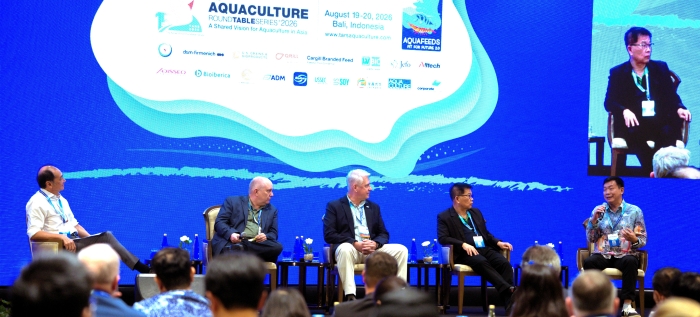
The challenge at the Hard Talk with C-suite Business Leaders was on feed efficacy, feeding management, farmer mindsets, additives, alternative ingredients, profitability, and Asia’s competitiveness against Ecuador. Key takeaways from this session:
• Asian feed knowledge is strong, but Ecuador benefits from scale, direct purchasing and efficient feeding.
• Without vertical integration, feed formulation is an area where Asia needs more communication across the value chain.
• Better data sharing and trust between farmers and feed companies, focusing on performance – not feed colour or familiar ingredients – as the real measure of quality.
• Feeding management is a weaker link because farm conditions require constant adjustment.

With high fishmeal prices, there was a timely technical session on Marketing Alternative Ingredients. Two important alternative protein pathways: insect meal, and single-cell proteins set the scene. One key message that stood out: alternative ingredients are not expected to replace fish meal or fish oil one-for-one. Instead, the future of aquafeed will likely be built on carefully designed blends of multiple ingredients – combining protein, energy, omega-3s, digestibility, palatability, and functionality.
In Feed Sustainability, the session called for industry-wide benchmarking to measure sustainability across key Southeast Asian aquaculture species. A key message was that success means delivering fish and shrimp that are sustainable, safe, nutritious, marketable, and profitable. The industry should also focus on unlocking greater value from co-products generated through food-processing streams. In applying increasingly rigorous sustainability metrics, feedmillers will need to be ready to demonstrate performance, not just intent.
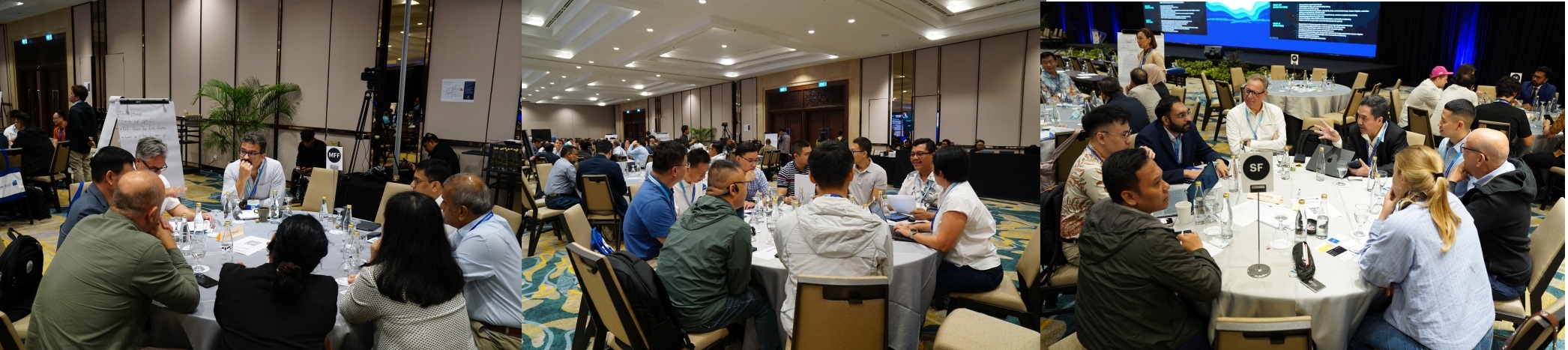
The Interactive Roundtable Breakout session explored the development of next-generation aquafeeds and emerging innovations in the sector. The session encouraged participants to find ways to match available digestible nutrients to species requirements for maximum yield, and propose new generation aquafeeds.
“Although the task was substantial, participants collaborated effectively, sharing their experience and expertise to help shape the industry’s future,”
added Merican.
The organizers, Aqua Culture Asia Pacific and Corporate Media Services acknowledged the hard work, valuable insights and dedication of all the presenters, moderators, industry panelists, group and roundtable leaders, who contributed greatly to the success of TARS 2026.
The organizers also expressed their appreciation to Indonesia’s Directorate of Aquaculture, Ministry of Marine Affairs and Fisheries, and to industry partners dsm-firmenich, U.S. Grains & BioProducts Council, Qrill Aqua, Cargill Branded Feed, I&V BIO, Jefo Nutrition, Alltech, Adisseo, Bioiberica, Gold Coin Aboitiz Foods, ADM, BioMar Group, U.S. Soybean Export Council, and La Chance for their valued support.
TARS continues to grow and shape a more sustainable and efficient future for the aquafeed sector as it continues to support fish and shrimp farmers – one that is better aligned with the evolving needs of producers and consumers worldwide.
Building on 15 years of industry dialogue, the next TARS 2027 on shrimp aquaculture will once again bring together aquafeed producers, farmers, technology providers, and aquaculture leaders to tackle emerging challenges and shape the sector’s future. Join this influential regional platform to exchange ideas, forge connections, and help move Asian aquaculture forward.


