
A study published in Aquaculture Science and Management demonstrates that fishmeal can be entirely replaced by a mixture of alternative protein sources in the diets of Clarias gariepinus fingerlings without compromising survival rates. The research, conducted by scientists from the University of Abomey-Calavi in Benin and Kagoshima University in Japan, investigated the zootechnical performance and feed utilization of the African catfish when fed diets formulated with non-conventional ingredients. The primary finding indicates that while growth performance was significantly lower than that of fish fed a control diet containing fishmeal, the alternative diets successfully met the essential amino acid requirements necessary for the species’ development.
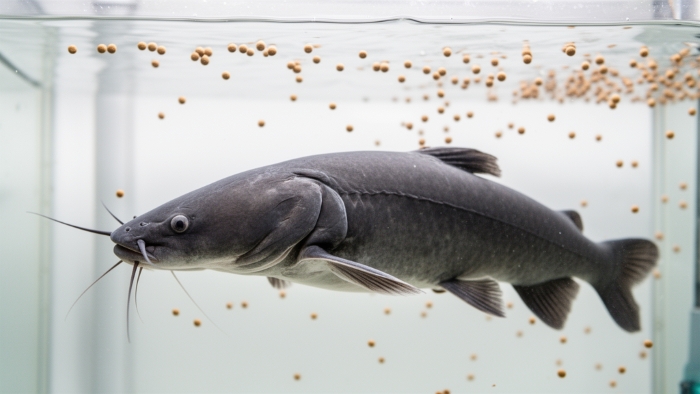
The motivation for this research stems from the global scarcity and rising cost of fishmeal, a traditional ingredient in aquaculture feeds that provides adequate concentrations of indispensable amino acids. As the production of fishmeal and fish oil stagnates while demand increases, the aquaculture industry faces pressure to identify sustainable alternatives. Clarias gariepinus is a significant species in tropical aquaculture, possessing an omnivorous diet with a carnivorous tendency. However, the high cost and limited availability of commercial feed remain major challenges for farmers in developing countries, making the exploration of local protein sources a critical area of investigation.
These fingerlings were randomly distributed into 15 aquariums, each containing 150 liters of water, in a recirculation system. The study lasted for 28 days, during which the fish were fed four times daily to satiation. The experimental setup included a control diet, designated D1, which contained 46% fishmeal, and four test diets, D2 through D5, which completely excluded fishmeal. Each treatment was replicated in three aquariums to ensure statistical robustness.
The alternative protein sources used in the test diets included Azolla filiculoides, chicken viscera, maggot meal, and soil worms. These ingredients were selected based on their essential amino acid profiles to ensure that the diets remained isoprotein and isoenergetic. Specifically, the diets were formulated to contain 41.9 ± 0.6% protein and 17.6 ± 0.5 kJ/g of energy. The researchers utilized high-performance liquid chromatography to analyze the amino acid content of the raw materials, allowing them to balance the diets to meet the specific nutritional requirements of C. gariepinus fingerlings.
Water quality parameters were monitored every three days and remained within acceptable ranges for African catfish culture throughout the trial. Temperature ranged from 27.9 to 28.7 °C, dissolved oxygen levels were between 4.03 and 4.98 mg/L, and pH values fluctuated between 4.68 and 5.26. No significant differences in these parameters were observed between the experimental groups, ensuring that environmental factors did not confound the results related to diet composition.


