
Taprobane Seafood Group, Sri Lanka’s first company is qualified to offer three-star Best Aquaculture Practices (BAP) shrimp, the Global Seafood Alliance, which owns the industry-leading BAP certification program, announced on Nov. 3. This is for its processing plant, shrimp farm and shrimp hatchery. 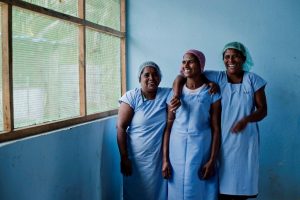
The Colombo-based company recently attained BAP certification for its Taprobane Sea Food (Pvt.) Ltd. seafood processing plant, Taprobane Frozen Food (Pvt.) Ltd. shrimp farm and Taprobane Frozen Food (Pvt.) Ltd. shrimp hatchery. As such, Taprobane is now eligible to offer three-star BAP shrimp, and it’s the first Sri Lankan company to attain BAP certification for shrimp. In addition to shrimp, the processing plant handles wild-caught seafood, including crabmeat, squid and cuttlefish.
“As the pioneer of vannamei shrimp in Sri Lanka and one of the largest and most fully integrated seafood companies, we are delighted to have finalized our BAP certification,†said Tim O’Reilly, managing director and owner of Taprobane.
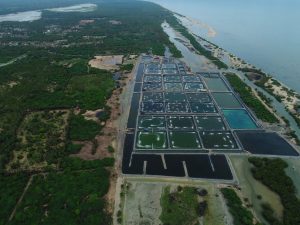
“SPF vannamei was only approved throughout Sri Lanka in June 2020, so the industry is still in its infancy. So we felt it was important to move our organisation and hopefully the industry toward BAP certification,†he explained. “Taprobane works with some of the leading U.S. customers for our pasteurized crab meat, so we knew that until we had BAP certification it was difficult to enter into the U.S. market.
“We would like to thank the amazing team from Global Seafood Alliance for making this happen during unprecedent times. The BAP audit challenged our organization. I was especially impressed by the social compliance component of the audit, and I think U.S. buyers of BAP-certified products should sleep very well.â€
There are now more than 3,000 BAP-certified farms, processing plants, hatcheries and feed mills worldwide, with the farms producing 2.68 million metric tons of seafood annually. Shrimp and salmon are the leading species by volume.


