
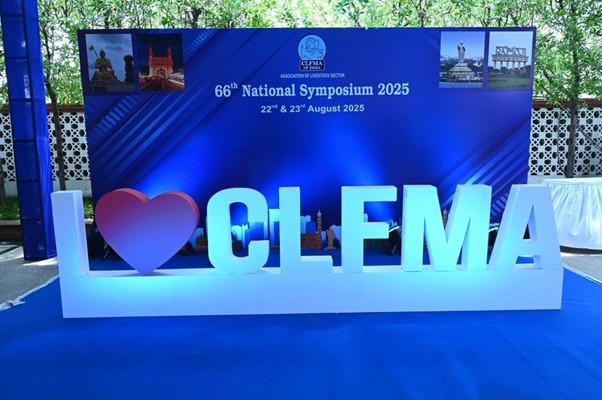
 The Compound Livestock Feed Manufacturers Association (CLFMA) of India successfully concluded its 58th Annual General Meeting (AGM) and 66th National Symposium on 22nd & 23rd August 2025 at the Taj Deccan, Banjara Hills, Hyderabad. Themed “Animal Agriculture in India – The Way Forward,” the two-day event brought together policymakers, industry leaders, sector experts, and stakeholders to shape a unified roadmap for India’s animal agriculture sector, with a strong emphasis on boosting agriculture exports.
The event witnessed an overwhelming participation of nearly 450 dignitaries, encompassing a diverse spectrum of stakeholders — from senior government officials, feed manufacturers, dairy and aqua farmers, veterinarians, and nutrition experts, to academicians, scientists, representatives of national and international companies, industry associations, ambassadors, and leaders from allied agro enterprises.
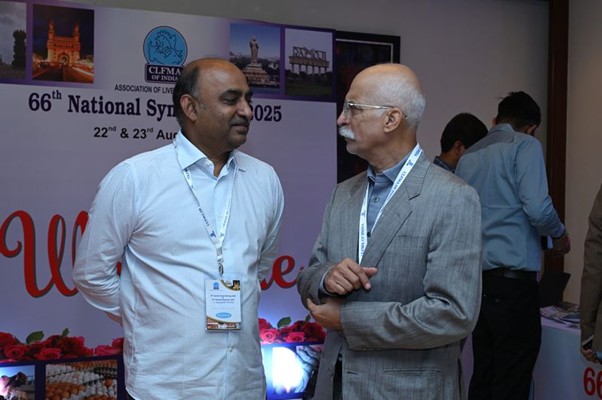
The event commenced with a welcome address by Vijay D. Bhandare, Convenor and Managing Committee Member, CLFMA of India. This was followed by the Chairman’s Address from Divya Kumar Gulati, Chairman, CLFMA of India, who highlighted the sector’s critical role in strengthening rural livelihoods, ensuring national food security, and enhancing India’s standing in global agri-trade.
The Symposium highlighted the immense potential of India’s poultry and aquaculture sectors.
The poultry industry is growing at an impressive 8% annually, making it both one of the most affordable sources of protein and a vital contributor to rural income. Export opportunities in markets such as the UAE, Maldives, Bhutan, and Bahrain, along with 65% vertical integration, are enabling cleaner, healthier products and stronger global competitiveness. At the same time, challenges like avian influenza and rising kidney infections in states such as West Bengal, Assam, and Telangana pointed to the urgent need for better vaccination, stronger biosecurity, and greater R&D investments.
Aquaculture discussions underlined the huge untapped domestic opportunity, with 76% of India’s 1.4 billion population consuming non-vegetarian food and over 80% not meeting daily protein requirements, positioning the sector as critical for nutrition and economic growth. While rising US tariffs on shrimp exports pose challenges, they were reframed as opportunities to boost domestic demand, enhance farmer returns, and create value-added products for Indian consumers. With government support through schemes like Fisheries and Aquaculture Infrastructure Development Fund (FIDF) and Pradhan Mantri Matsya Kisan Samridhi Sah Yojana (PM-MKSSY), and by fostering stronger industry-government partnerships, both poultry and aquaculture are set to become more resilient, competitive, and future-ready.
Whether it’s poultry, dairy, fisheries, or aquaculture, the way forward lies in collaboration, innovation, and sustained effort. It lies in coming together as farmers, industry leaders, policymakers, and academia and working towards solutions that are practical, scalable, and sustainable.
Shri. Tarun Shridhar, IAS (Retd.) delivered the thematic address, highlighting the critical role of animal agriculture in India’s economic and nutritional landscape. The symposium also honoured outstanding contributions through the prestigious CLFMA Awards and Student Awards, recognising both industry achievements and the promise of emerging talent.
Pravin S. Lunkad was honored with the CLFMA Lifetime Achievement Award, while Dr. K. Karthikeyan and Prof. Jyoti Palod were each conferred with the prestigious CLFMA Award in recognition of their significant contributions to the industry. Prof. S. P. Singh Baghel, Hon’ble Minister of State for Fisheries, Animal Husbandry & Dairying, and Ministry of Panchayati Raj, Government of India, said,
“Our livestock and fisheries sectors embody the resilience of India’s villages and the aspirations of our youth. The path ahead is not just about producing more, but about producing responsibly with stronger animal health systems, skill development for farmers, and sustainable practices that protect our environment. The government’s priority is to create a balance where rural livelihoods are strengthened, nutritional needs are met, and India contributes meaningfully to global food security. An event like CLFMA’s AGM and Symposium is vital, as it brings policymakers, scientists, and industry leaders together on a single platform to co-create solutions that will shape the future of India’s animal agriculture.”
The meeting proposed the establishment of:
● Export Oriented Zones (EOZs)
● Livestock Export & Domestic Development Authority
These strategic bodies will significantly enhance ease of doing business and boost the global competitiveness of the Indian poultry sector by ensuring:
● Access to raw materials at global price parity.
● A simplified regulatory framework for domestic and international trade.
● Market creation and diversification through government-to-government collaboration and coordinated branding strategies through FTA.”
For the very first time, CLFMA of India introduced a Student Program Initiative, opening new doors for young minds to engage with the livestock and animal nutrition sector. This unique platform was created to inspire, empower, and connect the next generation of researchers and professionals with the real-world challenges and opportunities of animal agriculture.
The initiative drew an overwhelming response, with 134 students from across India participating. Students came forward with research and innovative ideas in four vital sectors — Poultry, Dairy, Swine, and Aqua.
Topics ranged from the use of unconventional feed ingredients and gut health management in poultry to dairy management innovations under climatic stress, biosecurity in swine farming, and new technologies for aqua feed production. Each category encouraged students to blend scientific knowledge with practical approaches, showcasing their ability to shape the future of sustainable livestock practices.
This initiative not only celebrated young talent but also marked a milestone in CLFMA’s efforts to build stronger bridges between academia and the livestock sector, ensuring that the sector is well-prepared for the future.
Student Winner in the Aqua Sector awards were
· Gold – Dr. Tamana Latief
· Silver – Dr. Patekar Prakash Goraksha
· Bronze – Dr. Bhupika Dewangan
The Day 1 concluded with the launch of the Souvenir, followed by a vote of thanks delivered by Mr. Nissar F. Mohammed, Hon. Secretary, CLFMA of India, and a networking dinner.
The Welcome of National Symposium 2025 Day 2 was addressed by Mr Divya Kumar Gulati, Chairman, CLFMA of India followed with the introduction of Symposium by Dr. Devender Hooda, CLFMA North Zone President. Mr. Sumit Sureka, Deputy Chairman, briefed about CLFMA, the theme of the Symposium, the full-day sessions, and highlighted CLFMA’s significant role in contributing towards Viksit Bharat.”
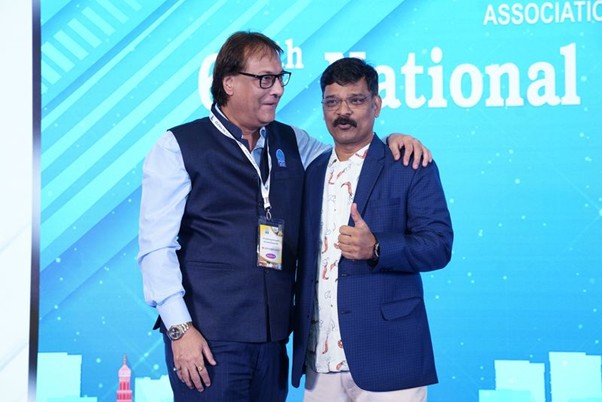
Dr Manoj M. Sharma, Director, Mayank Aqua Products – Aquaculture, spoke on ‘Looking at Aquaculture Beyond Exports.’ He highlighted the global scenario of aquaculture and extended special thanks to Shri Tarun Shridhar, acknowledging his valuable contribution to the aqua sector.
The deliberations also addressed key challenges facing the livestock and aquaculture sectors. Experts highlighted concerns such as the threat of avian influenza and the growing incidence of kidney infections in poultry, particularly in states like West Bengal, Assam, and Telangana. These issues, which directly impact productivity and farmer livelihoods, underscore the urgent need for improved vaccination strategies, stronger biosecurity measures, and greater investments in R&D.
Discussions then turned to aquaculture, with an emphasis on the immense untapped potential of India’s domestic market. With 76% of the population consuming non-vegetarian food and more than 80% not meeting their daily protein requirements, aquaculture was recognized as a critical driver of both nutrition security and economic growth.
While rising tariffs on shrimp exports to the US have posed challenges, stakeholders viewed this as an opportunity to boost domestic demand, enhance price realization for farmers, and develop value-added products for Indian consumers. Supported by government initiatives such as FIDF and PM-MKSSY, industry leaders called for stronger partnerships between government and industry to build resilience and ensure the sector is future-ready.
The symposium featured a series of engaging panel discussions that brought together leading experts, policymakers, and industry stakeholders to deliberate on critical issues shaping the future of animal agriculture in India.
(Broiler Coordination Committee), Dr. R. S. Masali (Godrej Agrovet Lt

A high-level dialogue with national associations on the “Outlook of Animal Agriculture for Viksit Bharat,” moderated by Shri. Tarun Shridhar, IAS (Retd.). had Saji Chacko, President, Society for Aquaculture Professionals (SAP) and Ravi Kumar Yellanki, President, All India Shrimp Hatchery Association, and , representatives from the poultry, dairy, shrimp, aquaculture, and equipment manufacturing sectors, who shared perspectives on strengthening India’s position as a global leader in animal agriculture.
The programme concluded with a networking dinner, live performance, and the felicitation of sponsors, media representatives, guests, and invitees, marking a celebratory end to two days of engaging discussions and knowledge exchange.


