
Aquaculture is the fastest-growing food sector in the world, providing more than half of all seafood consumed globally. But as fish farming expands, so too does the risk of infectious disease, particularly in the context of climate change. Managing this risk is critical for food security and public health.
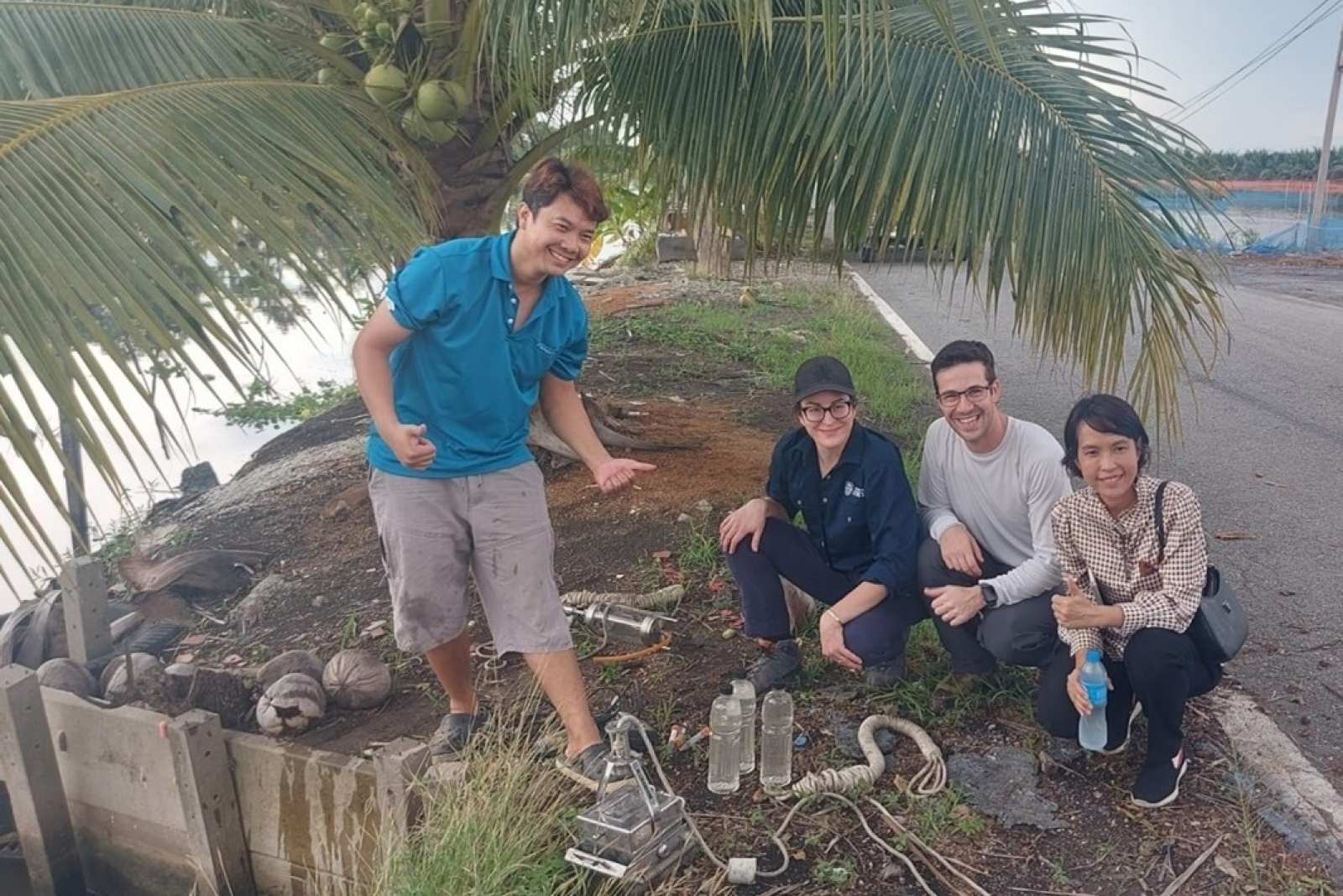
Supported by a Sydney Southeast Asia Centre Incubator Grant, Dr Vincenzo Costa is leading a study which uses environmental metagenomics (DNA sequencing of water and sediment) to understand the risk of microbial spillover in aquaculture.
The project tracks how microbial communities circulate through fish ponds, how they respond to environmental change, and the risks they pose to humans and farmed fish. Dr Costa is working alongside fellow colleagues at the Sydney School of Veterinary Science – Dr Francisca Samsing and Professor Ruth Zadoks – and collaborators at Mahidol University, Kasetsart University, and the Asian Institute of Technology, Thailand, led by Dr Saengchan Senapin. Their goal is to improve understanding of microbial dynamics and inform biosecurity measures for safe, sustainable farming.
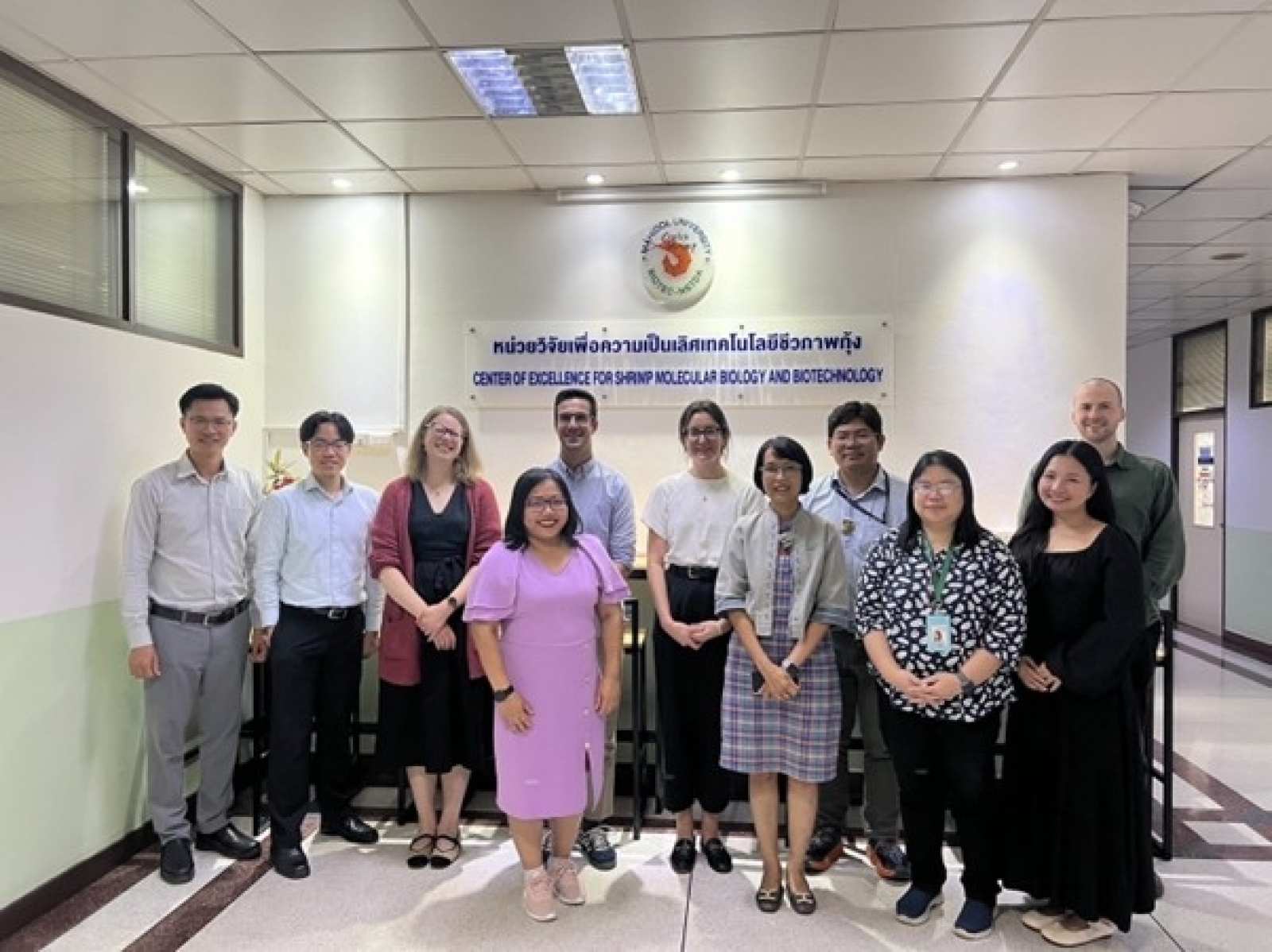
In May, the team hosted a workshop at the Center of Excellence for Shrimp Molecular Biology and Biotechnology (BIOTEC), Mahidol University, Bangkok. The event brought together researchers from Australia, Thailand, and the UK to showcase advances in aquaculture health, identify regional research priorities, and strengthen international collaborations.
Participants highlighted three key areas of need: improved tools for early disease detection, enhanced surveillance of pathogens at the wild–domestic interface, and the development of novel treatments.
The project has now moved into the DNA sequencing and analysis stage. As the project progresses, further insights into microbial spillover are expected to emerge, shaping future directions in aquaculture science.


