
Aquaculture Stewardship Council (ASC) and Sustainable Fisheries Partnership (SFP) have successfully hosted the first India Shrimp Landscape Tour, bringing together global seafood supply chain, financial, and commercial partners to gain first-hand insight into the country’s shrimp production ecosystem.
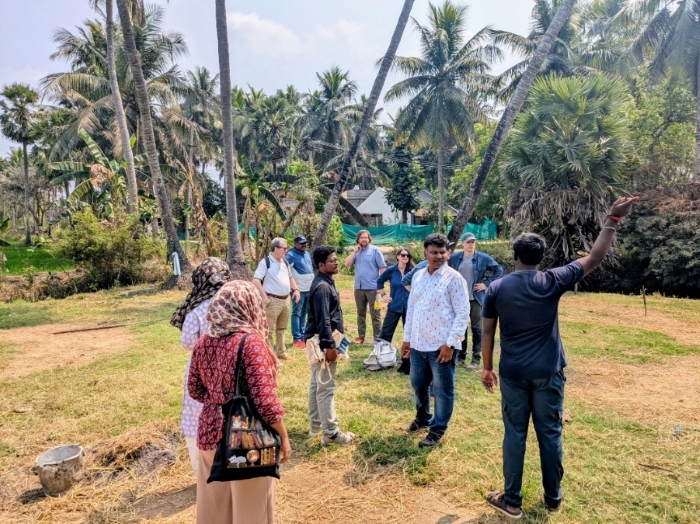
Held in Andhra Pradesh, the five-day tour showcased how shrimp production exists within a broader landscape shaped by farming communities, environmental stewardship, and a complex supply chain.
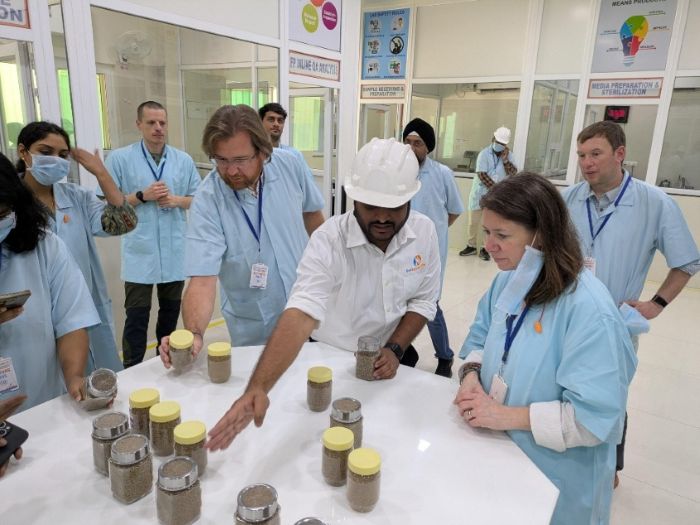
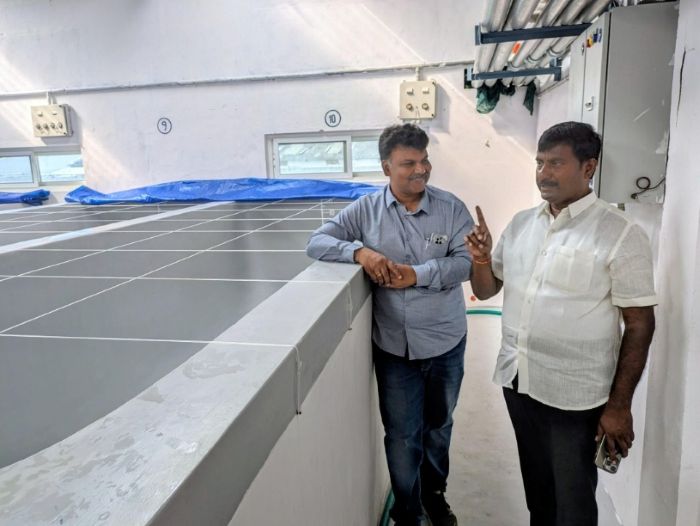
Participants included representatives from companies and organisations such as frozen seafood processor High Liner Foods, processor Comavicola, Asian Development Bank (ADB), Captain Fresh, and British International Investment (BII). Local partners Seafood Solutions and Dakshin Foundation supported the programme on the ground. Together, the group explored the full production landscape – from hatcheries and farms to feed mills, processing plants, and surrounding ecosystems, to experience the complexity of India’s shrimp farming sector.
Head of Improver Programme, Roy van Daatselaar said, “By bringing together buyers, investors, and supply chain partners in the field, the tour aimed to foster a deeper understanding of the social, environmental, and economic realities shaping shrimp production in India.
“Certification is a powerful tool to demonstrate responsible practices, but scaling impact across thousands of farms requires collaboration across the entire landscape.”
SFP’s Partnerships & Markets Engagement Specialist David Parreño said,
“ASC is clearly strengthening the foundations of responsible aquaculture. The consolidated Farm Standard brings greater consistency and rigor across environmental performance, animal welfare, and social responsibility, while the Feed Standard reinforces expectations around ingredient sourcing and feed mill accountability.
In Andhra Pradesh, the difference between certified and non-certified farms is evident in the structure of management systems and the level of control applied to environmental and operational practices. In such a major aquaculture hub, the landscape approach is particularly important, and SFP is pleased to support efforts that help ensure improvements extend beyond individual farms to benefit the wider environment and surrounding communities.”
Understanding India’s Landscape as a Major Shrimp Hub
India is currently the world’s second-largest shrimp producer and exporter, behind Ecuador, with approximately 70% of the country’s shrimp production concentrated in Andhra Pradesh. As a result, the region represents a critical sourcing hub for global seafood supply chains.
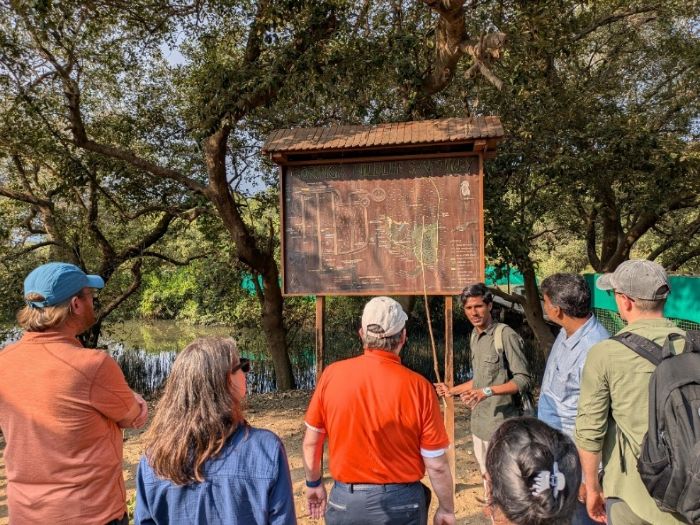
The tour delivered the story of agricultural development and importance in the region. Featuring visits to small community farms that prioritise stability over higher returns through larger scaled certified operations that have gained global market recognition. This identified key activities in the sector that are delivering responsible operations, such as ablation-free shrimp breeding and transparency in feed ingredient sourcing. The Coringa Wildlife Sanctuary offered a window into Andhra Pradesh’s commitment to sustainability, featuring a watershed ecosystem supported by mature mangroves thriving adjacent to well-functioning shrimp farms.
Josh Austin, Senior Manager of Sustainability at High Liner Foods, said,
“The ASC landscape tour provided a deeper understanding of why our industry needs to take a more holistic approach to improving aquaculture in India. We observed an ecosystem of farms and communities connected not only through economics, but also through shared waterways.
This highlighted how the actions of individual farms are closely linked to practices across the wider region, making collective efforts essential for meaningful progress. It reinforced my belief that ASC’s proposal to implement improvement projects at a regional level has strong potential to drive greater efficiency in shrimp aquaculture, while also generating environmental and social benefits for the surrounding communities.”
A B Ch Mohan, Managing Partner at Seafood Solutions, said,
“The landscape tour provided a valuable opportunity to hear diverse perspectives from all participants. These interactions highlighted how essential it is to bridge communication gaps across the value chain. When global standards and local knowledge align through a landscape approach, it creates lasting benefits for farmers, communities, and the environment. We appreciate ASC’s efforts to bridge these gaps and look forward to being part of this approach and seeing this approach translate into real impact.”
Looking Ahead
This tour provided ASC, SFP and partners the opportunity to explore potential implementation of the Roadmap for Landscape-Level Improvements in Aquaculture. The roadmap aims to deliver a range of outcomes to strengthen the sustainability and resilience of shrimp production in Andhra Pradesh, with a framework for implementing a landscape approach that has global applicability.
Through this work, we collectively recognise the value of the region and the importance of supporting enabling conditions that will deliver responsibly produced shrimp into the future. Together we are committed to supporting this important sector, and at ASC see opportunities to transform aquaculture through improvements and certification as aligned with our mission.


