
 Updated study shows measurable reductions in climate impact and water use, while supporting the expansion of omega-3 supplies beyond the limits of marine resources.
Corbion, the Amsterdam-listed sustainable ingredients company that champions preservation through the application of science, today publishes its updated life cycle assessment (LCA) white paper for its algae-derived omega-3 DHA portfolio, showing measurable improvements in environmental performance compared with the company’s 2021 assessment.
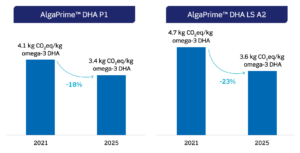
The updated cradle-to-gate1 LCA reports improvements across multiple environmental impact categories for Corbion’s algae-derived omega-3 DHA solutions. Compared with Corbion’s 2021 LCA, the updated results show (per kg of omega-3 DHA):
• 18–23% lower climate change impact
• 44–54% lower water use
• Lower land use impacts
• Lower particulate matter impacts
These improvements were driven by algae strain and manufacturing process optimization, resulting in higher DHA content and improved production efficiencies, as well as active engagement with suppliers and responsible sourcing programs.
The assessment further indicates that Corbion’s algae-derived omega-3 DHA solutions have approximately 40–50% lower climate change impact per kilogram of omega-3 DHA compared with the average fish oil datasets assessed in the study. As the environmental footprint of fish oil varies by species, fishing region, and processing method, results may differ when compared with specific fish oil sources.
The assessment was conducted in accordance with ISO 14040/4 and ISO 14067 standards, following the methodology verified by a qualified third party. The study incorporates updated operational data from Corbion’s commercial-scale algae omega-3 production facility in Orindiúva, Brazil, along with updated supplier data, LCA databases, and characterization
methods.
“As sustainability reporting and Scope 3 expectations continue to evolve across aquaculture, pet food, and human nutrition markets, customers increasingly need robust, science-based data from their suppliers, This updated assessment reflects measurable progress in our production system and helps customers better understand the environmental profile of different omega-3 supply options.”
said Diana Visser, Head of Sustainability at Corbion.
“Customers are looking for omega-3 solutions that can support both performance and long-term supply resilience, “Our algae-derived DHA portfolio helps customers diversify sourcing while advancing their sustainability ambitions with commercially proven solutions.”
said Tim Rutten, Head of Nutrition and Pharma Ingredients at Corbion.
Corbion’s algae-derived omega-3 DHA is produced through large scale fermentation using responsibly sourced sugar feedstock that meets stringent social and environmental requirements. The production system is integrated with a co-located sugar mill using renewable energy generated from sugarcane waste.
The updated LCA highlights how innovation in manufacturing processes, including fermentation, downstream processing, as well as active engagement with key suppliers and other stakeholders, contributed to lower environmental impacts per kilogram of omega-3 DHA produced. As a controlled and large scale production system, algae-based omega-3 also offers ongoing opportunities for further environmental improvement.
Corbion’s algae-derived omega-3 DHA portfolio supports aquaculture feed, pet food, livestock feed, and human nutrition applications. The company’s AlgaPrime™ DHA and Algavia™ products are designed to help customers diversify omega-3 sourcing strategies while supporting sustainability and supply chain resilience goals.
The full white paper, ‘Life cycle assessment update on Corbion algae-derived omega-3 – Measurable progress on environmental performance,’ is available at: Corbion Whitepaper Life Cycle Assessment Update Algae-Derived Omega-3.pdf


