
Aquaculture Stewardship Council (ASC) will join global aquaculture leaders, policymakers, producers and development partners at the World Aquaculture 2026 Tanzania (WA26T) conference, taking place from 1–4 December at the Julius Nyerere International Convention Centre in Dar es Salaam, Tanzania.
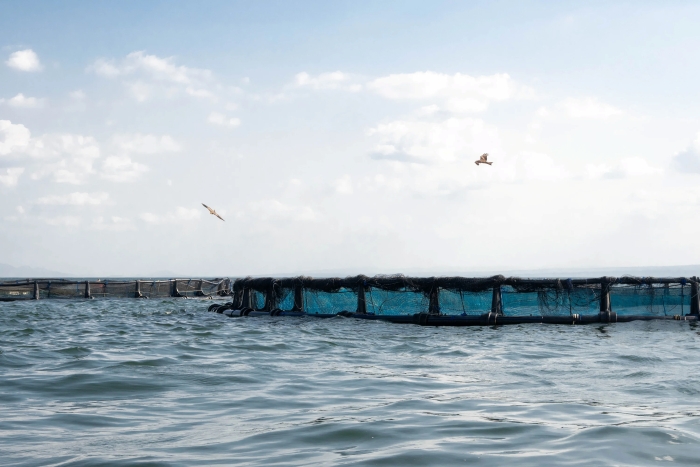
A key highlight of ASC’s participation will be the official launch of Ghana’s Code of Good Practice (CoGP), developed in partnership with the Chamber of Aquaculture Ghana (COA) and Ghana’s Fisheries Commission. In addition, ASC’s experience in developing the Code and its ambitions for further scaling will be presented during the World Bank Group’s special session on Investment and Finance in Aquaculture, co-chaired by ASC and AUDA-NEPAD, on Wednesday 2 December.
The launch marks an important milestone in efforts to strengthen Ghana’s aquaculture sector through locally relevant guidance, practical improvements and greater opportunities for producers.
Developed over the past 18 months through engagement with producers of different sizes, feed mills, academia, financial institutions and other industry stakeholders, the Code draws on ASC’s technical expertise and experience in aquaculture standards while reflecting the realities of Ghana’s farming sector. Owned by the Chamber of Aquaculture Ghana, it provides a voluntary framework to help producers strengthen their environmental, social and operational practices and establish a pathway towards continual improvement.
ASC CEO Chris Ninnes said,
“WA26T provides an important opportunity to bring together the people and organisations shaping the future of global aquaculture, including in Africa. The continent has significant potential to grow its aquaculture sector, but realising that potential will require collaboration, investment and practical pathways that enable producers to improve their practices and strengthen their businesses.
We look forward to showcasing how ASC’s work with partners in Ghana can contribute to this progress, while engaging with governments, development institutions, producers and other stakeholders on the opportunities and challenges facing the sector. From supporting producers on their improvement journeys to strengthening the frameworks that enable responsible growth, we believe that working together is essential to unlocking the potential of global aquaculture.”
Roy van Daatselaar, Head of the ASC Improver Programme, said,
“This is a momentous achievement for Ghana’s aquaculture sector. What makes this Code particularly important is that it has been developed with the people who will use it. Over the past 18 months, we have brought together farmers, industry representatives, government, academia and other stakeholders to create something that reflects Ghana’s realities while drawing on international experience and expertise. It demonstrates what can be achieved when global knowledge meets local ownership, giving producers a practical framework to improve their operations and helping build a stronger foundation for the sector’s future. We are keen to explore how Ghana can serve as an example of scaling the Code of Good Practice into other countries as well.”
Jacob Doe Adzikah, CEO of the Chamber of Aquaculture Ghana, said,
“The upcoming launch of Ghana’s Code of Good Practice represents an important milestone in our efforts to build a more responsible, competitive and resilient aquaculture sector. For the Chamber, this initiative goes beyond promoting good production practices. It is about creating a framework that supports businesses to improve their operations, strengthens confidence in the sector and positions Ghana’s aquaculture industry for sustainable growth.
We believe that by encouraging responsible practices across governance, fish health and welfare, environmental stewardship, and human rights and social responsibility, the CoGP can contribute to building a stronger foundation for the industry’s future. In the long term, this can also help unlock investment opportunities by demonstrating the sector’s commitment to accountability, sustainability and improved business practices.
Showcasing this initiative at WA26T provides an opportunity to share Ghana’s progress with a wider international audience, exchange knowledge and demonstrate what can be achieved through strong partnerships. We look forward to seeing the CoGP contribute meaningfully to the continued development of Ghana’s aquaculture industry.”
Unlocking investment and advancing aquaculture improvement
Beyond the launch of the Ghana Code, ASC will contribute to discussions on the investment, policy and practical frameworks needed to support the growth of African aquaculture.
ASC will take part in two special sessions during the event:
1. Investment and Finance in Aquaculture
Co-chaired by ASC, the World Bank Group and AUDA-NEPAD, this session will explore how to unlock investment across the global aquaculture sector, including opportunities to help producers who are not yet certified improve their practices and become investment-ready.
- Date: Wednesday 2 December
- Time: 14:20–16:00
- Venue: Bagamoyo Room, Julius Nyerere International Convention Centre
Roy van Daatselaar will share ASC’s perspective, followed by an expert panel discussion and Q&A moderated by Scalable Impact Founder Flavio Corsin.
2. From Strategy to Implementation: Cage Culture Regulations
Organised by Deutsche Gesellschaft für Internationale Zusammenarbeit (GIZ), this session will examine how effective regulation, monitoring and enforcement can support responsible cage aquaculture across the region. ASC will deliver a presentation before joining a panel discussion featuring five experts.
- Date: Thursday 3 December
- Time: 16:10–17:50
- Venue: Mikumi Room, Julius Nyerere International Convention Centre
Building momentum for African aquaculture
ASC’s participation at WA26T reflects its wider commitment to supporting aquaculture improvement through collaboration with producers, governments and industry partners. By combining internationally recognised expertise with locally developed solutions, ASC aims to help create practical opportunities for producers to improve their operations and contribute to the long-term development of the sector.


