
Trondheim-based Norcod is the world’s first dedicated cod-farming operation to secure certification according to the GlobalG.A.P. Aquaculture Standard. Since its inception the organisation has served to build trust and integrity in agricultural practice generally, and is now the most widely accepted private-sector food safety certification in the world.
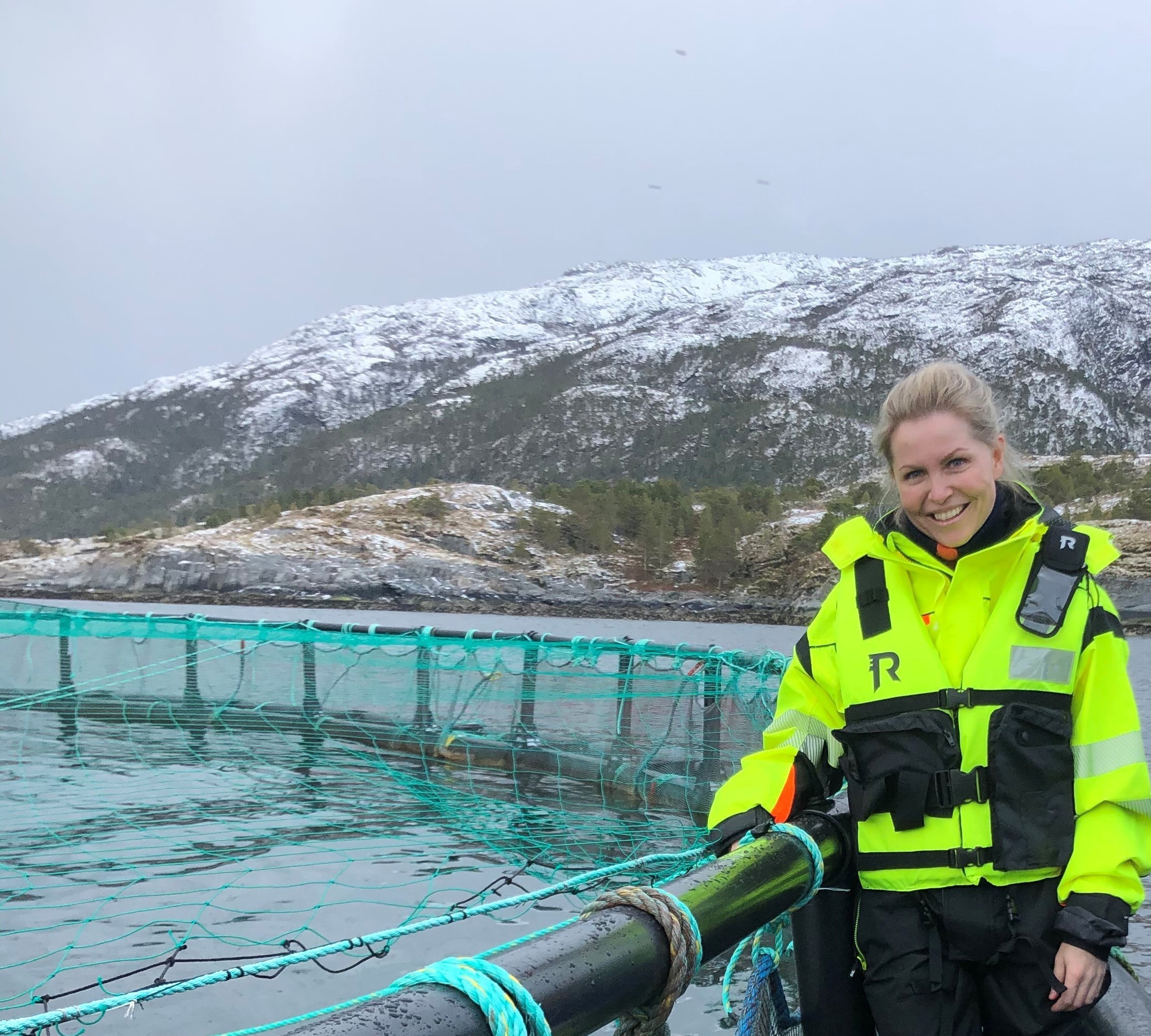
“We are very pleased and proud to be the first within our industry to obtain this certification. It demonstrates the clear operational focus we’ve had from the outset on sustainability, and that Norcod is a responsible player in the aquaculture industry,†said Norcod CSO Hilde Storhaug.
Storhaug says the certification process went smoothly and as predicted. The standard covers the entire production chain from broodstock, seedlings and feed suppliers to farming, harvesting and processing – or ‘feed to fork’. It lays down strict criteria for legal compliance, employees’ occupational health and safety, animal welfare, food safety and environmental and ecological care. Norcod also underwent the GLOBALG.A.P. Risk Assessment on Social Practice (GRASP), a voluntary part of the certification process applied to assess social risks in primary production and to provide additional transparency to supply chain partners.
In terms of food safety, the Aquaculture Standard has been successfully assessed against the Global Food Safety Initiative (GFSI) benchmarking requirements and achieved GFSI recognition for scope A2 farming of fish – which is the only aquaculture farming standard to have achieved such recognition.
Storhaug notes the aquaculture industry in Norway is already strictly regulated. “But by certifying our business according to a respected international standard, we further show that Norcod as a company is committed to our employees, ensuring optimal fish welfare and health, and to preserving both the local and global environment,†she said, adding that the certification also reflects Norcod’s founding ambition to be part of innovative solutions to address the challenge of how to produce and supply healthy protein to the world’s growing population without adding to the strain on a planet already severely under pressure from factors including high CO2 emissions from land-based animal farming and shrinking available land mass for farming. Norcod is also deploying electric-powered barges and service boats as part of its strategy to keep emissions to a minimum.
Norcod will continue to be a front-runner and strong driving force for responsible cod farming on an industrial scale. “The next step in terms of certification will be to apply for compliance with ASC [Aquaculture Stewardship Council] standards. Although that is somewhat further ahead in time, and we are still in a process of gradual expansion, we are focused and determined to achieve that goal as well,†said Storhaug.
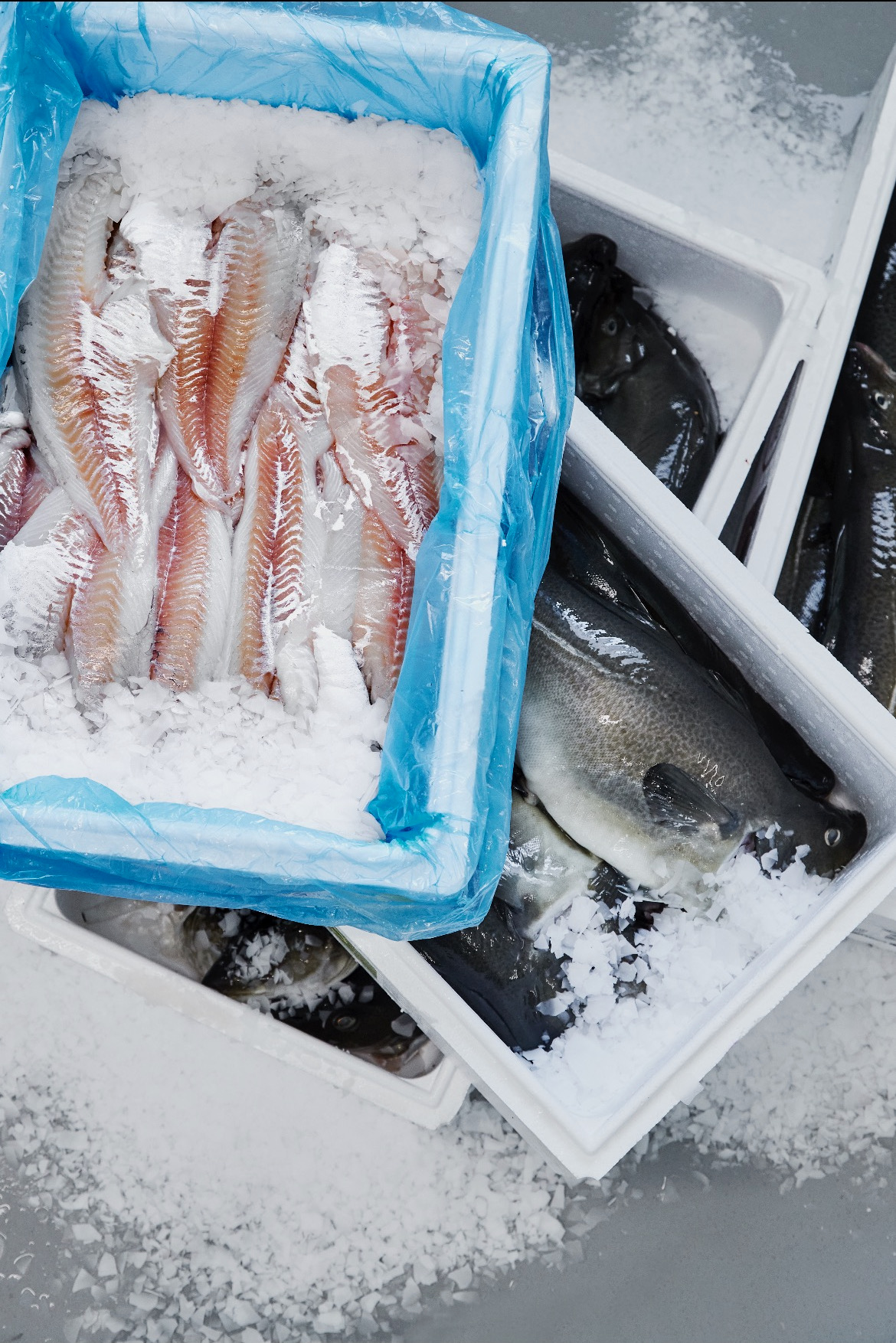
Norcod achieves first cod harvest to reel in revenue
Norcod has started commercial harvesting of premium cod farmed in domestic waters to generate the first sales revenue for the Norwegian fish farmer. Chief executive Christian Riber hailed the initial harvest as a “huge milestone†for the Trondheim-based company following an intensive four-year effort to start production from the fish farming venture in the North Atlantic.
Norcod expects to produce more than 5,000 tonnes of cod under a continuous harvest between now and February, according to Riber. “We have had to start harvesting the fish a bit earlier than planned due to great biological performance. The fish are in fantastic condition and initial deliveries earlier this month have yielded highly positive customer feedback,†he said.
“The majority of the harvest volumes have been sold well above budgeted levels. As customers come to further appreciate Norcod and its many advantages it is expected that this price will increase. The market is looking very promising for the coming months,†he added.
The initial harvest marks a significant leap towards Norcod’s ambition to become the world’s first producer of high-quality farmed cod on an industrial scale from its three farm sites in mid-Norway.
These fish were harvested from the first batch of juvenile cod that was transferred from growth tanks into the sea in January last year.
Boosting production
The next batch of 2.4 million fish was transferred to the sea earlier this summer and is set to be harvested in the third quarter of 2022 towards a current annual production target of 9000 tonnes, which is expected to increase to 25,000 tonnes by 2025. A further batch of juveniles is scheduled to go into the sea phase in spring 2022 after they start their growth phase in December this year.
“This schedule puts us on track to increase production significantly over the next few years. Both the high quality and volume of fish produced so far gives us confidence that we can exceed our sales ambition by meeting market demand,†Riber said.
Norcod has secured buyers in advance for the fish as part of its marketing strategy to provide customers with stable year-round deliveries, compared with seasonal wild cod, through its exclusive marketing company Sirena Group.
“It’s only the second time since I started working here that I experience a product where customers are calling back, giving praise and actually sign up on a waiting list for next delivery,†said Magnus Gehlin from Fisk Idag, a leading seafood distributor in Sweden.
Jesper Hansen from Danish seafood customer Fiskerikajen said: “We buy the vast majority of our cod from low-impact fisheries. In the summer, it is sometimes difficult to get enough cod from sustainable fisheries. Therefore, we are pleased that we can now launch Norcod and are really excited about the great quality of this fish.â€
Norcod’s produced cod is differentiated in price as the fish have an 8% higher yield than wild-caught cod and provide a thicker, meatier fillet, according to Riber. Whole fish are initially being marketed in Spain, Scandinavia and the UK, with value-added cod fillets destined for France, Germany and the US.
Norcod has taken advantage of biological advances and new technology to succeed in fish farming where others have failed, while adopting environment-friendly production methods.
Norcod AS’ core business is commercial sea farming of cod but through ownership and partnerships is involved in the entire value chain. Norcod’s existing fish farms are located in Mid-Norway with ideal conditions for cod. The company is contributing to blue ocean value creation with minimal impact on the environment while supporting local communities. Norcod is listed on Oslo’s Euronext Growth market.


